EN
EN PT
PT

 EN
EN
 PT
PT
Quick guide for teachers
Product: Book
Trim size in cm: 14x21cm
Pages: 144
ISBN: 9788859044307
Publication date: 01/01/2026
Suitable for: Primary 1st level (ages 6-7), Primary 2nd level (ages 8-10)
REQUEST A SAMPLE OR MORE INFORMATION
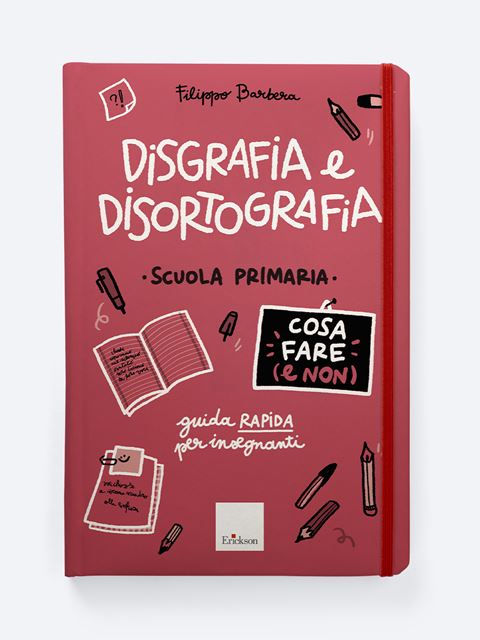
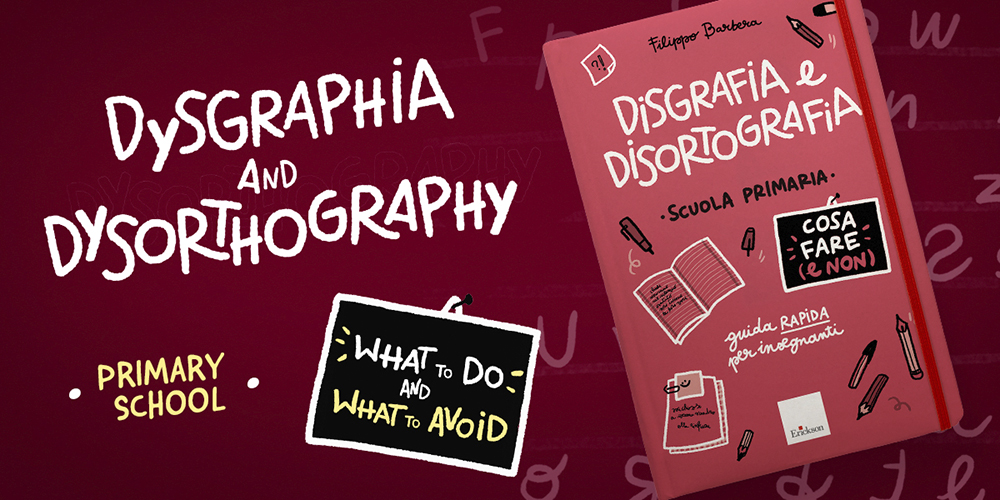
Dysgraphia and dysorthography are writing disorders that hinder the normal process of correctly producing the graphic signs used to represent words in writing. In this volume – written in the style of a Teacher Training workbook – Filippo Barbera provides primary school teachers with ready-to-use guidance for successfully addressing 15 common problem situations and difficulties associated with dysgraphia and dysorthography.
Dysgraphia
Writes slowly
Handwriting is messy and illegible
Poor use of space on the page
Incorrect grip and posture
Difficulties with drawing activities
Gets tired or fatigued quickly
Difficulty taking notes
Struggles to learn how to write
Dysorthography
Makes phonological errors
Makes spelling errors
Makes phonetic errors
Difficulty revising a text
Difficulty generating ideas
Difficulty planning a text
Little progress is visible and motivation decreases
Bibliography

BOOK STRUCTURE AND CONTENTS
Dysgraphia and Dysorthography – What to Do and What to Avoid is divided into 15 chapters:Each chapter contains
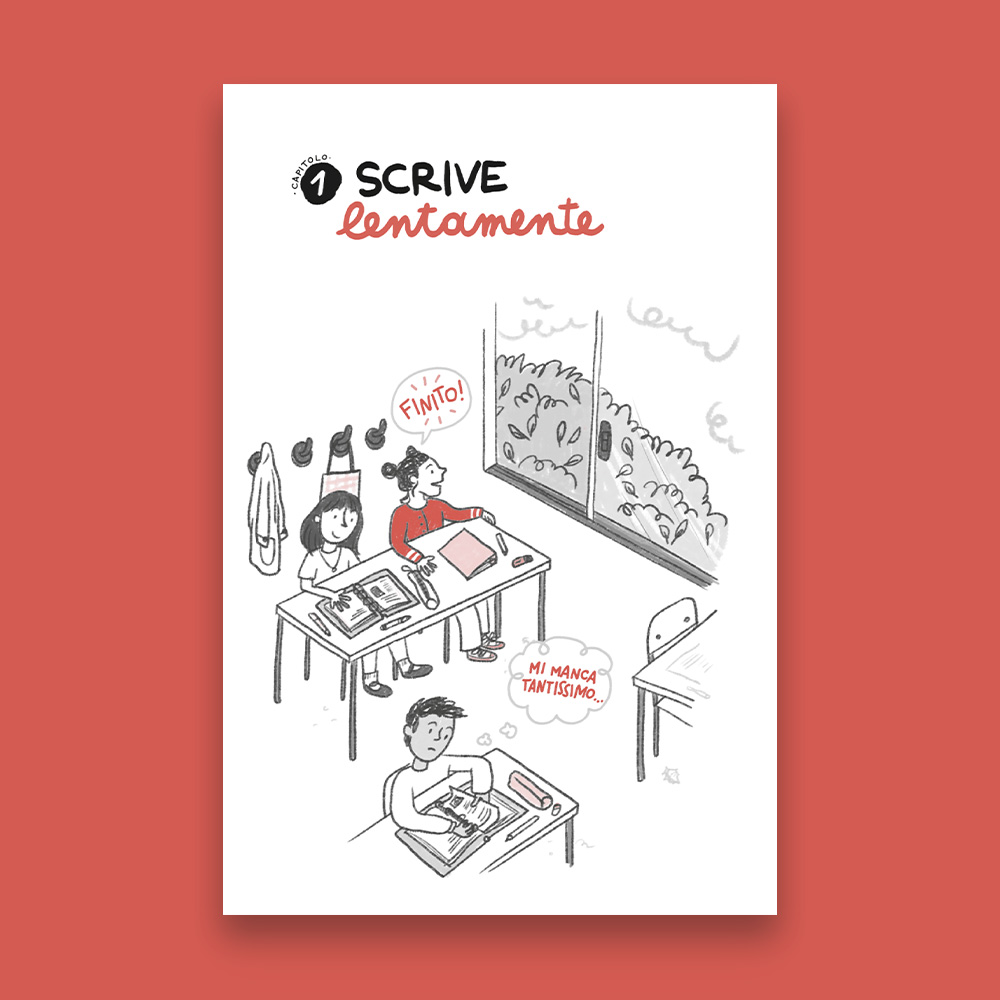
At the beginning of each chapter, an illustration introduces the problematic situation.
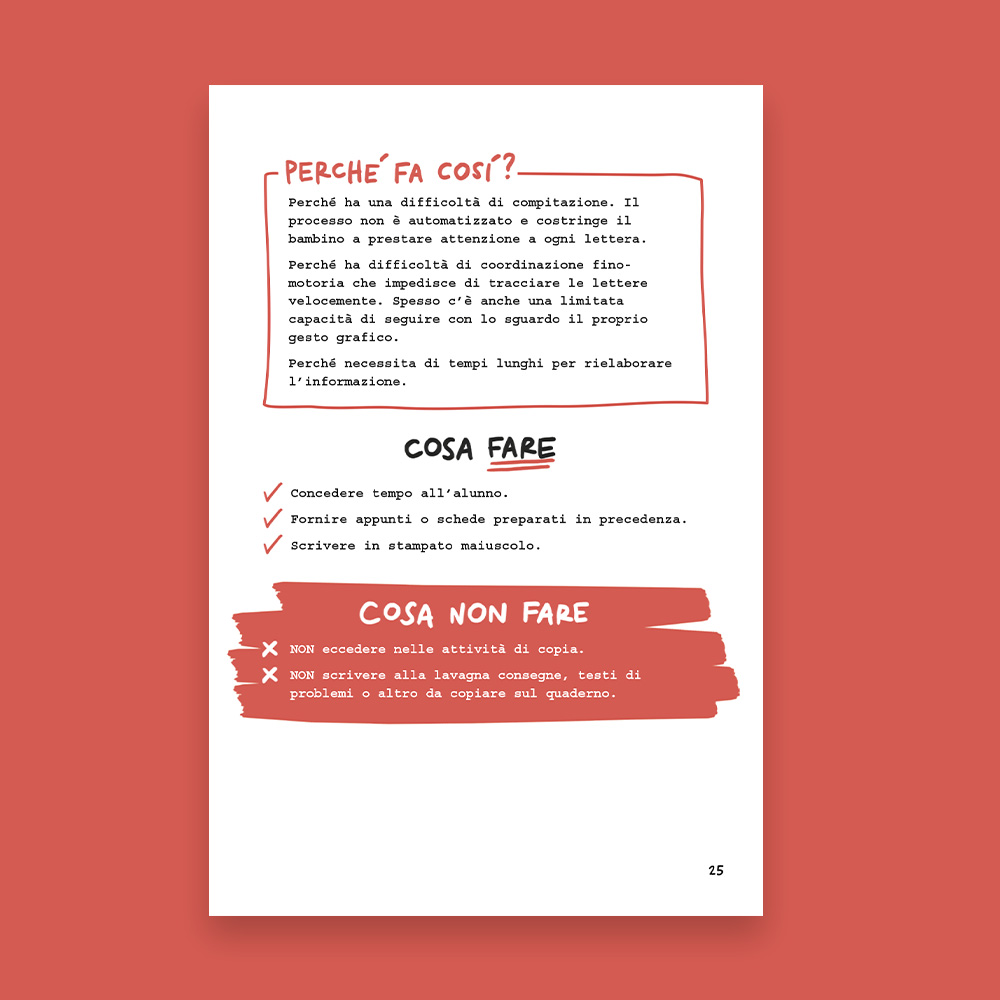
• Explanations of the behaviour: Why does he/she do that? • Brief and simple indications for deciding What to do and reflect on What to avoid.
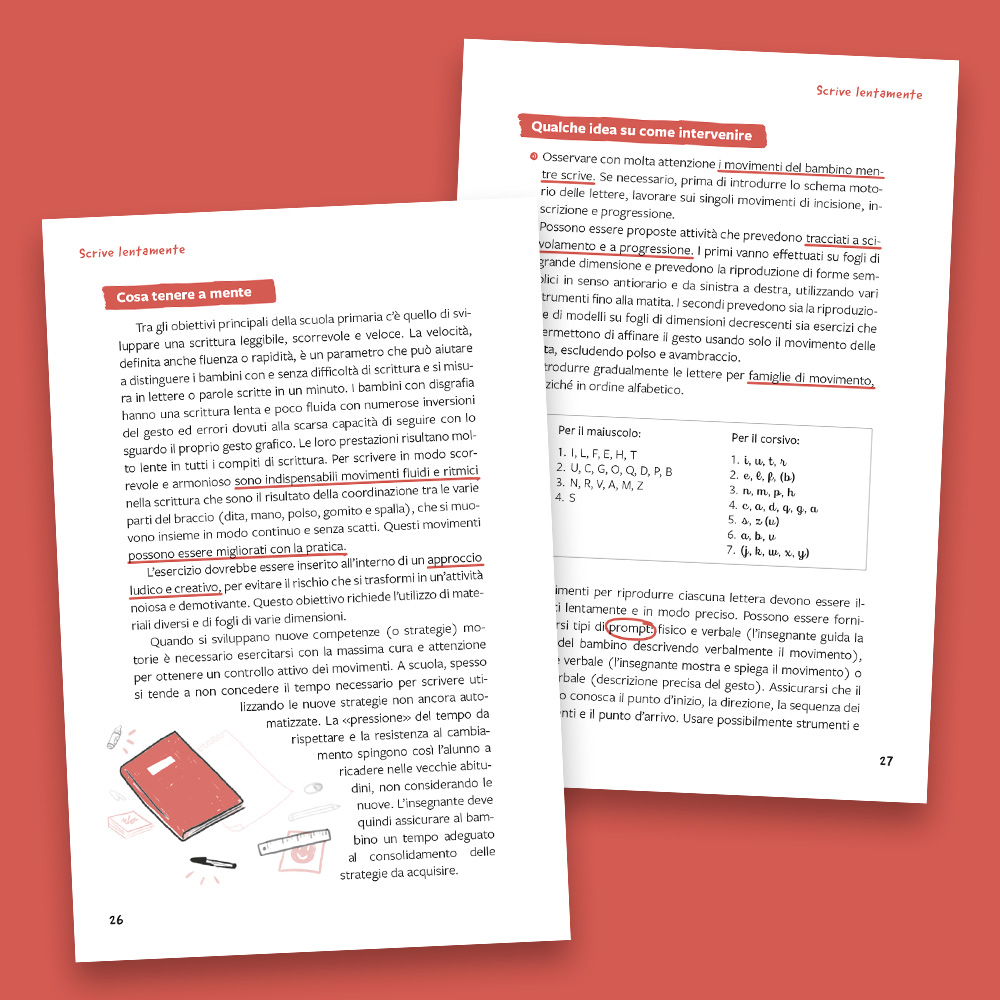
A more in-depth description to reflect on the specific behaviour (What to keep in mind)
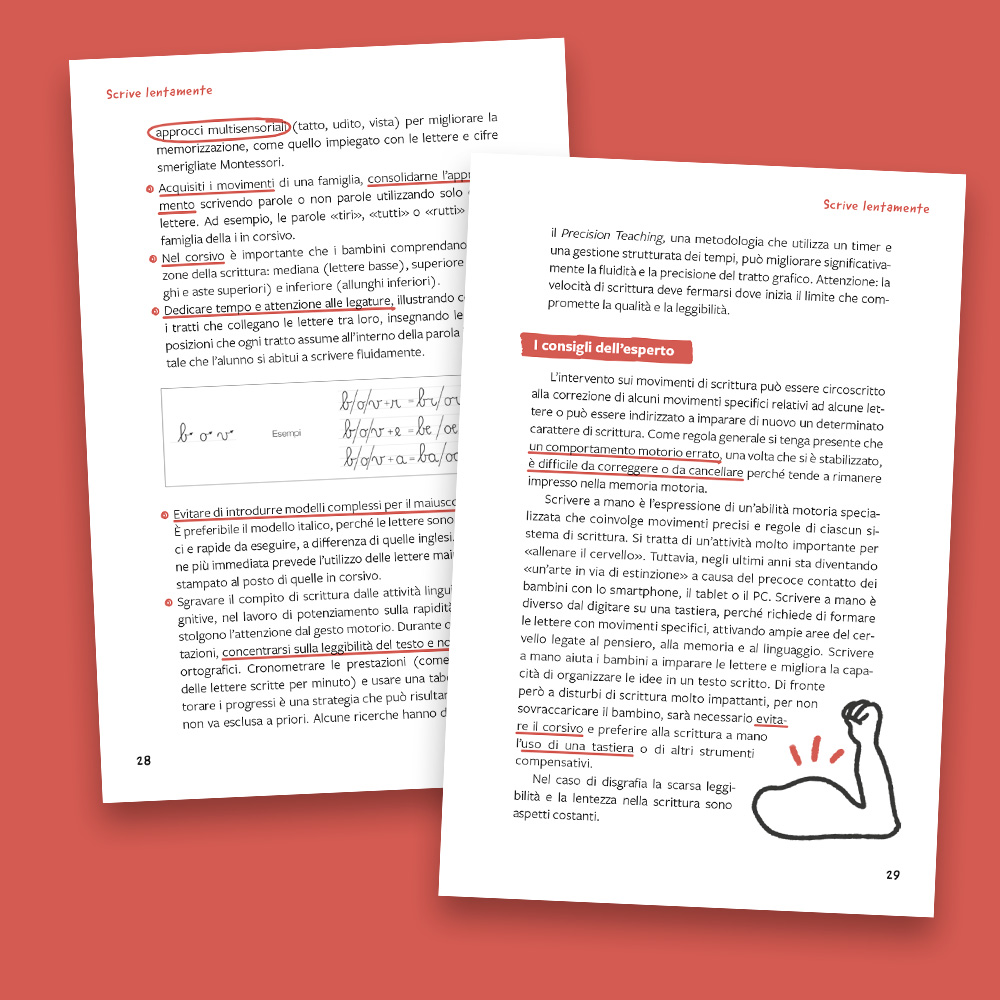
Some ideas on how to intervene in individual classroom situations and expert’s advice.
THE AUTHOR
Filippo Barbera A graduate in Primary Education and Psychology, and primary school teacher specialized in Psychopathology of learning and the Montessori method; trainer for teachers of all levels, carries out awareness-raising activities on Specific Learning Disorders.