EN
EN PT
PT

 EN
EN
 PT
PT
Quick Guide for Teachers – Primary School
Product: Book
Trim size in cm: 14x21cm
Pages: 136
ISBN: 9788859044154
Publication date: 01/11/2025
Suitable for: Primary 1st level (ages 6-7), Primary 2nd level (ages 8-10)
REQUEST A SAMPLE OR MORE INFORMATION
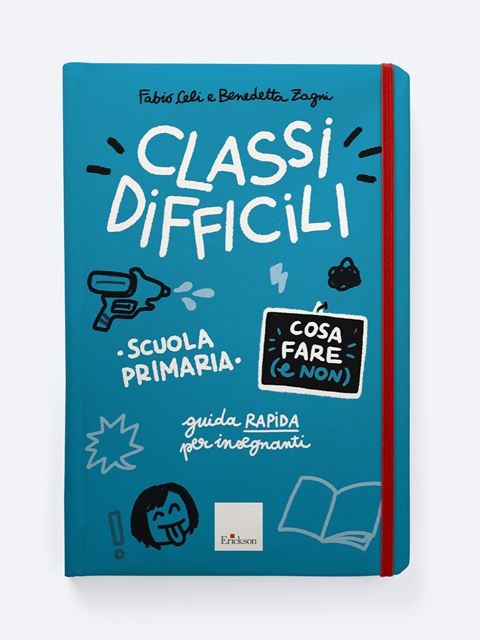
This handy and ready-to-use guide from the What to do and what to avoid series presents 15 classroom scenarios in which students display dysfunctional behaviour, offering suggestions on what attitudes to adopt — and which to avoid — when faced with such behaviour. By analysing different situations, teachers in primary schools will be better equipped to prevent disruptive behaviour and foster an inclusive and welcoming environment for all students.
What to do and what to avoid
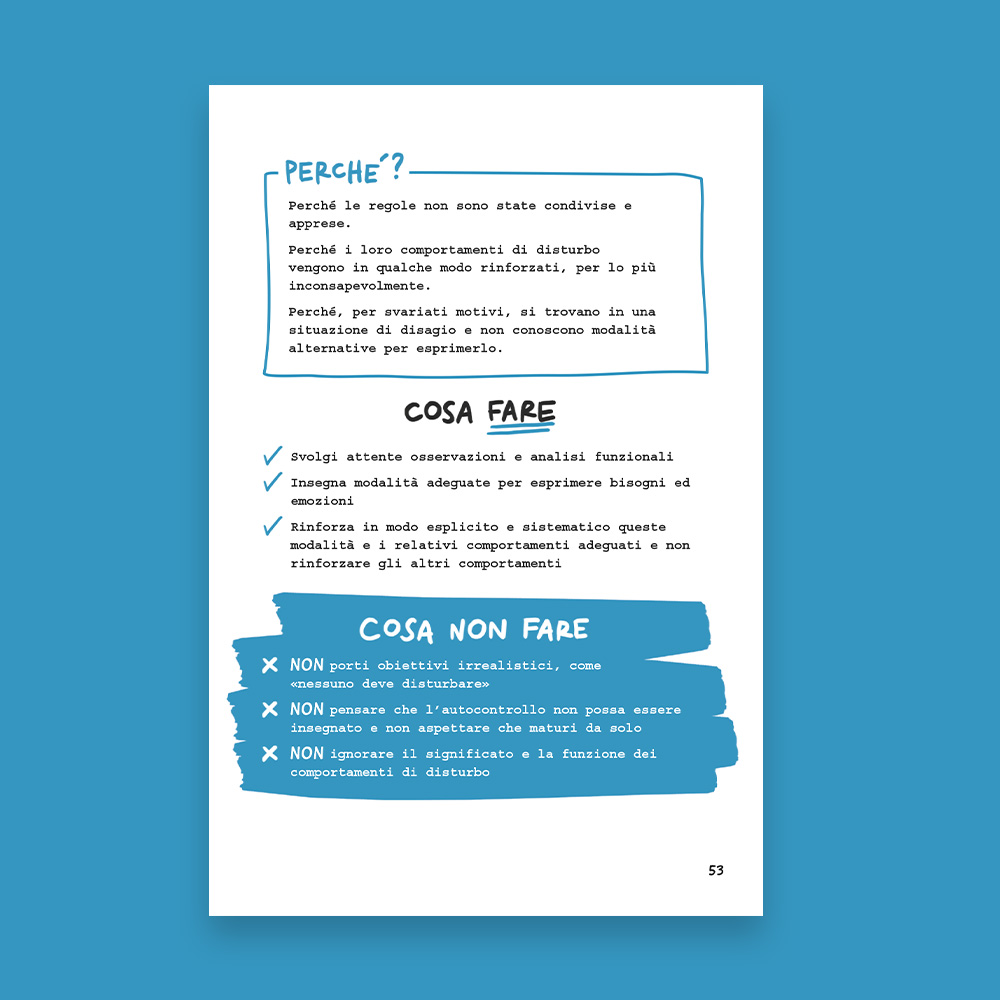
Each chapter includes a brief overview of a specific problematic behavior, indications on the intervention (how to intervene), suggestions and insights (advice of the expert and in-depth analysis). The teacher will be guided towards understanding the situations described through emotional, cognitive and behavioural reading.
PREFACE
INTRODUCTION
Watch out for the cobra
Chapter 1 – I see everything in a negative light
Chapter 2 – I can’t find my balance anymore
Chapter 3 – I don’t understand why they behave like this
They behave badly
Chapter 4 – They are very rude
Chapter 5 – They are always distracted
Chapter 6 – They always keep their things in a mess
Chapter 7 – They disturb the rest of the class
Chapter 8 – They poison the classroom atmosphere
Chapter 9 – They don’t let me teach
They have fits of anger
Chapter 10 – They get angry
Chapter 11 – They don’t know how to regulate their emotions
Chapter 12 – We feel unwell in this class
Watch out for war!
Chapter 13 – They argue
Chapter 14 – They are always competing with each other
Chapter 15 - We feel alone or in bad company
APPENDICES

BOOK STRUCTURE AND CONTENTS
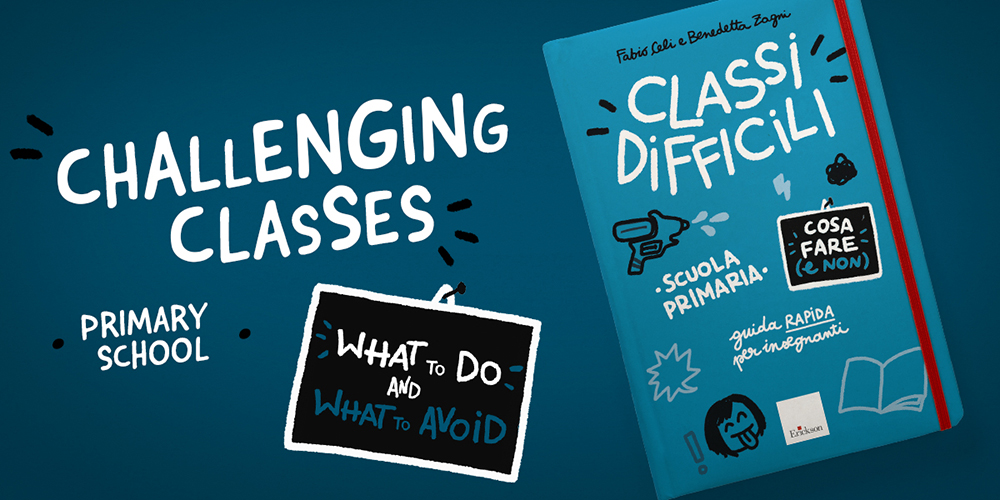
Challenging classes – What to do and what to avoid is divided into 15 chapters: Chapter 1 – I see everything in a negative light Chapter 2 – I can’t find my balance anymore Chapter 3 – I don’t understand why they behave like this Chapter 4 – Students are very rude Chapter 5 – Students are always distracted Chapter 6 – Students always keep their things in a mess Chapter 7 – Students disturb the rest of the class Chapter 8 – Students poison the classroom atmosphere Chapter 9 – Students don’t let me teach Chapter 10 – Students get angry Chapter 11 – Students don’t know how to regulate their emotions Chapter 12 – We feel uncomfortable in this class Chapter 13 – Students argue Chapter 14 – Students are always competing with each other Chapter 15 - We feel alone or in bad companyEach chapter contains:
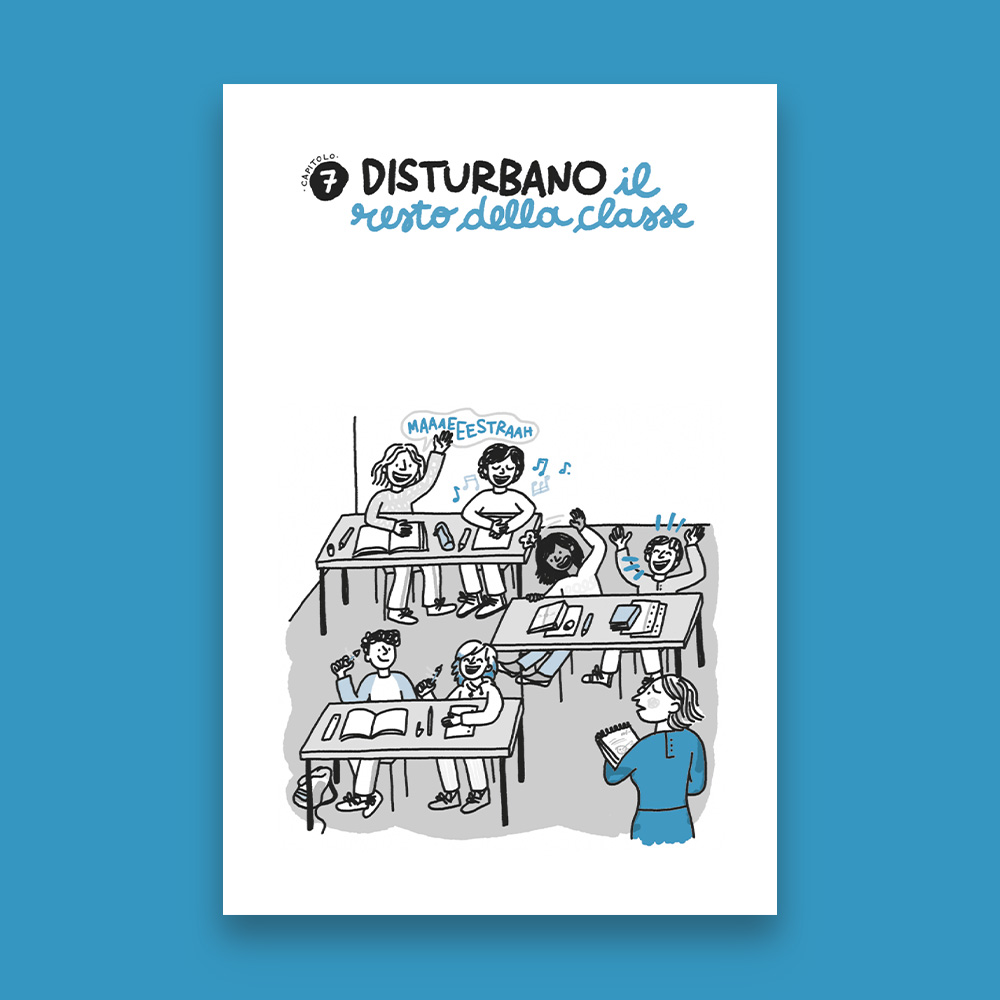 At the beginning of each chapter, an illustration introduces the problematic behaviour.
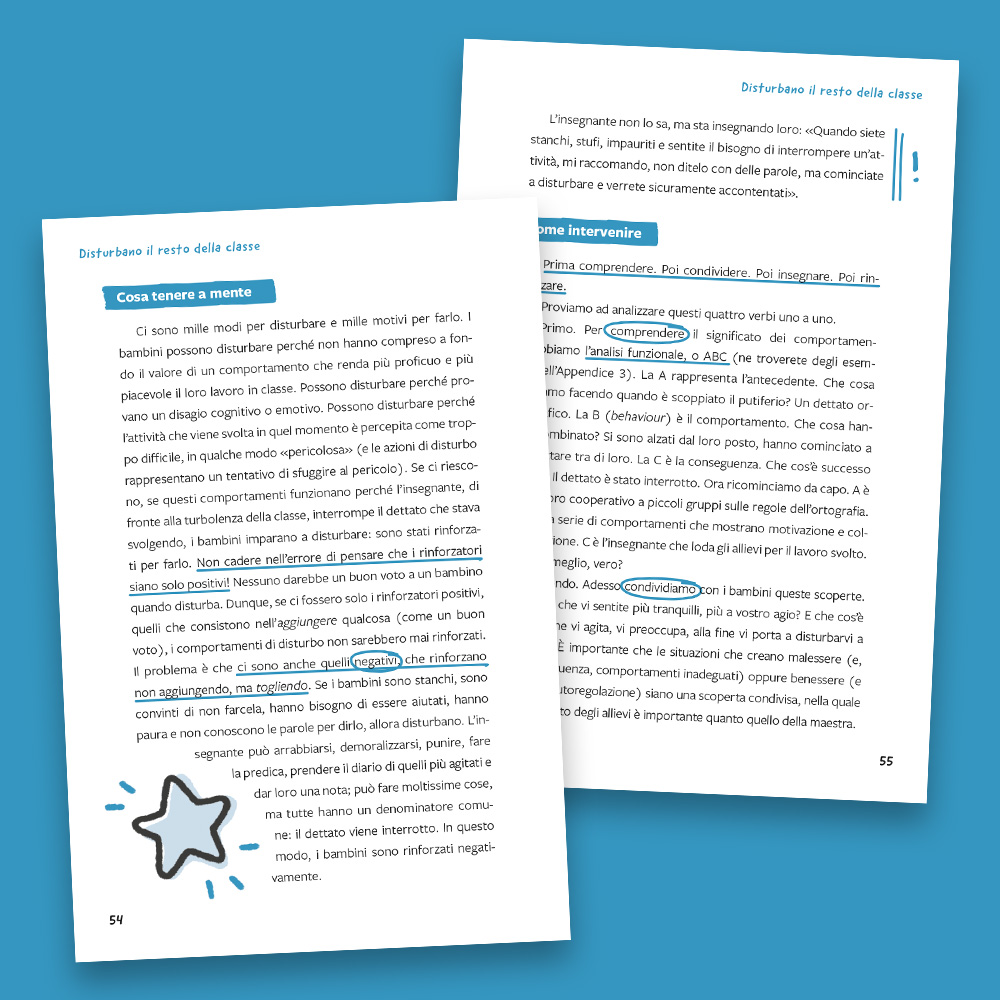 A more in-depth description to reflect on the specific behaviour.
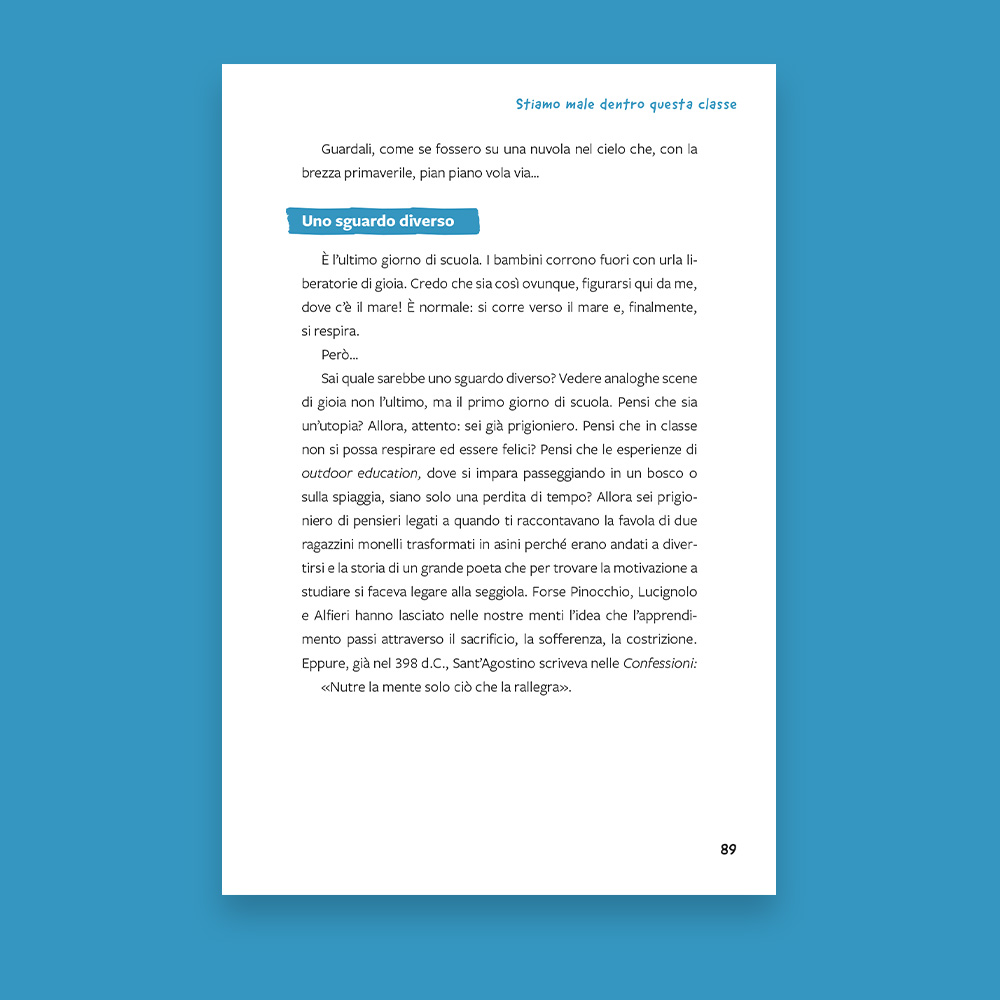 Each chapter closes with a short paragraph entitled A Different Perspective, designed to help the reader see things from another point of view.
THE AUTHORS
Fabio Celi. Psychologist, psychotherapist, director of the O.U.C. (Operative Unit Complex) of Psychology for USL Toscana Northwest, is professor of clinical psychology at the Universities of Parma and Pisa. Benedetta Zagni. Developmental and Educational Psychologist. Trainer and doctoral student in Psychological Sciences (DPSS – University of Padua) in collaboration with the Erickson Study Center. She deals with emotional well-being at school, cooperative learning, recognition and valorisation of differences in the class.